The Difference Between Biochemical Analysis And Immunoassay

release time:2021-07-27 15:36:55

1. What is biochemical analysis?

Biochemical analysis refers to the detection methods used to determine enzymes, carbohydrates, lipids, protein and non-protein nitrogen, inorganic elements, liver function and other indicators in the body through various biochemical reactions. It is mainly used in routine testing in hospitals.

The development of biochemical diagnosis has been relatively mature, and it is a routine diagnosis and testing item in hospitals, focusing on the monitoring of diseases that have occurred.

At present, the variety of biochemical diagnostic reagents is complete. Chinese brands have already occupied about two-thirds of the domestic biochemical diagnostic reagent market by virtue of their advantages in product cost performance and high-quality market services.

2. What is immunoassay?

Immunoassay is a highly selective diagnostic method established by the specific and specific reaction between the test substance and its corresponding substance. It is often detected by the immune response of antigen and antibody, and the detection is enhanced by amplifying the reaction signal by various carriers. Sensitivity (labels are isotopes, enzymes, chemiluminescent substances).

Immunoassays include radioimmunoassays, enzyme-linked immunoassays, chemiluminescence, etc. It mainly tests small molecular proteins, hormones, fatty acids, drugs and other substances in the body. It is often used for infectious diseases, endocrine diseases, tumors, pregnancy tests, blood group antigens and other proteins. Target detection.
At present, high-end chemiluminescence has gradually replaced enzyme-linked immunoassay as the mainstream immunodiagnostic method, focusing on the monitoring of infected diseases.

(1) Enzyme-linked immunoassay
Enzyme-linked immunoassay markers are enzymes, which are often used to detect an antigen or antibody. Reagents have the characteristics of low cost and large-scale operation, and are currently the mainstream of immunodiagnostic reagents in China.

(2) Chemiluminescence

Chemiluminescence reagents have high sensitivity, strong specificity, and good reproducibility, which can be used for highly automated semi-quantitative and quantitative analysis, and the detection time is fast and the reproducibility is good, which is an important development direction of immunoreagents one.

A picture shows you the difference between the biochemical analysis and immunoassay.


biochemical analysis and immunoassay


Do you have a better understanding of biochemical analysis and immunoassay?
Prev Return Next

Related Reading

Hematology Analyzer Market Size and Segmentation

2022-09-22

Since the COVID-19 pandemic, research institutes have found that many hospitals have started using hematology analyzers to test and monitor COVID-19 patients. In response to the large population for effective COVID-19 screening, some regions are performing laboratory tests including white blood cells (WBC) and C-reactive protein (CRP) for early monitoring of the infection.
CBC Machine: How to Use, How It Works....

2022-08-29

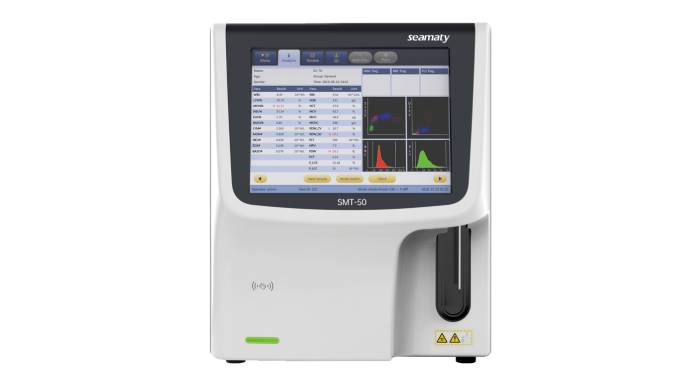
CBC machines are an important part of the healthcare industry. They are used to detect blood disorders and other medical conditions. Here we will discuss the different types of CBC machines and their uses in the healthcare industry. We will also discuss how CBC machines are improving patient care.

Medical Laboratory Equipment: CBC Test Machine

2022-08-05

The cbc test machine can be divided into cbc test machine without leukocyte sorting function, 2-part cbc test machine, 3-part cbc test machine and 5-part cbc test machine according to the ability of leukocyte sorting.