release time:2024-07-09 15:08:03
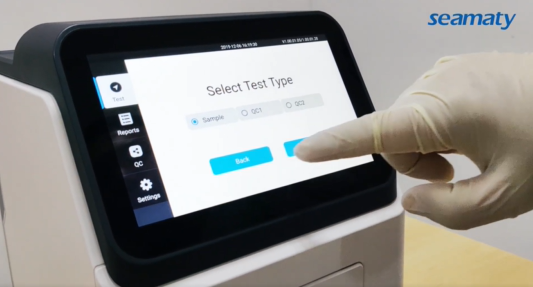
This blog post dives into the fascinating world of the Seamaty SD1 dry chemistry analyzer, specifically exploring the inner workings of its test tray workflow.
The Seamaty SD1 revolutionizes medical testing by providing on-site results using a mere 0.1cc of whole blood, serum, or plasma. This fully automated analyzer boasts built-in centrifugation, QR code compatibility, and real-time quality control, leading to faster, easier, and more accurate diagnoses within just 12 minutes.
Gone are the days of cumbersome biochemical machines. The Seamaty SD1 utilizes pre-packaged, lyophilized reagent kits that require no manual diluent addition. These refrigerated kits (2-8°C) offer a remarkable one-year shelf life. But how does this compact system achieve the accuracy of its larger counterparts?
Faster, Easier, More Accurate Diagnosis:
Replacing the Bulky with the Brilliant:
The magic unfolds within the test tray. Here's a step-by-step breakdown:
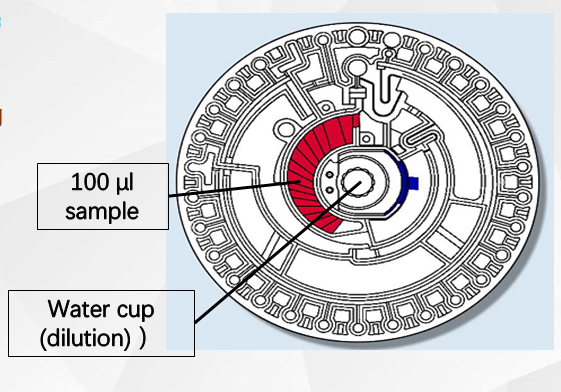
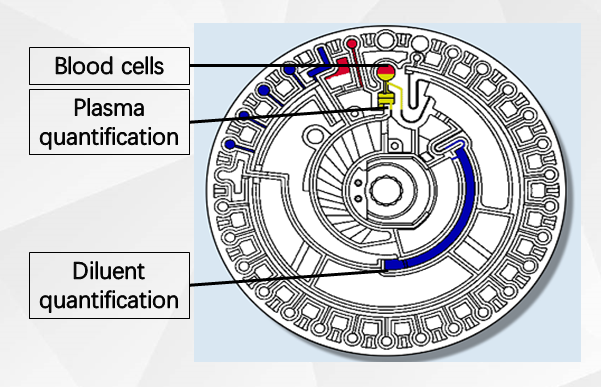
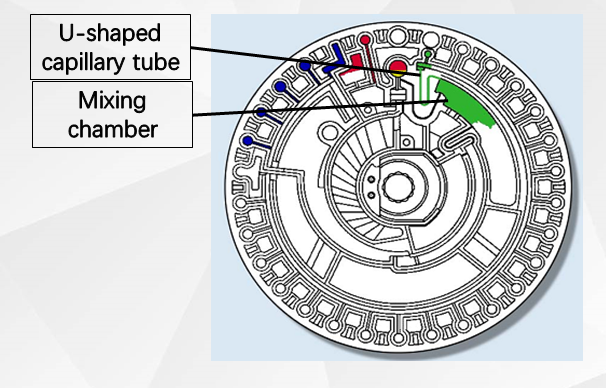
The diluted sample is strategically distributed into designated colorimetric chambers containing various biochemical reagents.
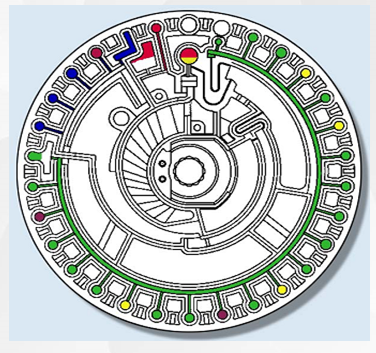
By seamlessly integrating microfluidics with spectrophotometry, the SD1's built-in centrifuge further enhances accuracy, adhering to Lambert's Law.
Related further reading
1. Say Goodbye to Manual Labor: Experience the Automated Ease of Seamaty SD1 Chemistry Analyzer
2. Seamaty SD1 vs. Mindray BS-480 Chemistry Analyzer: Which One is Better for Your Needs?
3. How Seamaty SD1 Revolutionize Small Clinic Diagnostics: Advantages and Case Studies
4. Selecting the Perfect Chemistry Analyzer for Small Labs: Seamaty SD1 vs. Beckman Coulter DxC 700 AU
5. Top 9 Clinical Chemistry Analyzers for Small to Mid-Sized Laboratories in 2024

2023-08-07
Discover Seamaty's latest breakthroughs in veterinary analyzers for pet hospitals. Swift diagnostics, real-time monitoring, and enhanced patient care. Explore the future of veterinary diagnostics now.
2022-08-04
Biochemical analyzers are devices that automate the operation of biochemical analysis processes using physical, chemical, and computer technologies. The automated process of a biochemistry analyzer can include: identification and sample delivery, loading of samples and reagents, charging reaction and detection conditions (e.g., wavelength, temperature, time), data processing, and system maintenance.
2022-02-22
Some enzymes with relative molecular mass much larger than normal enzyme molecules can sometimes be found in the serum, which are usually called giant enzymes or macroenzymes for short.