release time:2024-07-18 14:31:21

Critically ill patients often experience disruptions in their body's internal environment. This is frequently accompanied by multiple organ dysfunction, particularly affecting the lungs and kidneys. Consequently, abnormalities in arterial blood gases and acid-base balance are common complications. Severe acid-base imbalances can significantly impact vital organ function and may even be fatal. Therefore, promptly and accurately identifying and managing these disorders is crucial for patient survival.
Blood gas analysis serves multiple purposes:
As mentioned, blood gas analysis is a critical tool for:
Wet blood gas analyzers can process multiple samples efficiently and are generally more cost-effective. However, they require regular maintenance due to their internal liquid circuit and electrode replacement.
Dry blood gas analyzers offer greater portability and require minimal maintenance as the electrodes are integrated into test cards. This makes them ideal for point-of-care testing. While the cost per test is higher, they provide rapid results.
The optimal choice between wet and dry blood gas analyzers depends on a hospital's specific needs. For facilities with a low sample volume, dry analyzers may be preferred. On the other hand, departments requiring immediate results, such as anesthesiology or operating rooms, may benefit from portable dry analyzers.
Blood gas analysis is an indispensable tool for evaluating and managing critically ill patients. By providing crucial information about the patient's respiratory, oxidative, and acid-base balance, healthcare providers can make informed decisions about treatment and monitor the patient's progress. The choice between wet and dry blood gas analyzers depends on the specific needs of the healthcare facility and the patient population.
Understanding the basics of blood gas analysis is essential for healthcare professionals involved in the care of critically ill patients. By utilizing this diagnostic tool effectively, clinicians can optimize patient outcomes and improve overall care.

2022-05-24
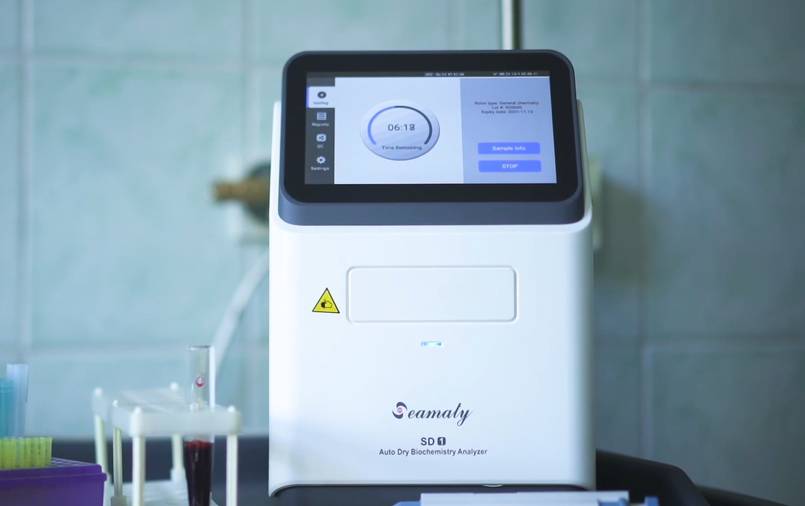
Point-of-care testing has played a huge role in the medical industry in recent years, and the higher demand for POCT machines and the broader market space suggest that POCT will see more rapid and steady growth in the future. However, there are still challenges on the road to POCT machine development. The following is a summary of some of the challenges encountered on the road to POCT machine development.
2022-01-14
The evaluation of IVD analytical performance should be carried out in accordance with the corresponding evaluation plan, and the instruments, reagents, calibrators, testing procedures, etc.
2021-11-09
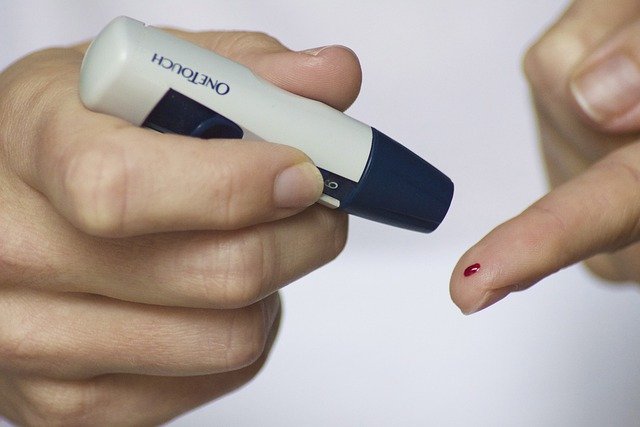
Blood glucose meter to detect blood sugar is a simple, convenient and fast detection method, which is becoming more and more popular. However, some people find that the blood glucose test is different from that of automatic biochemistry for the same condition and the same patient when they use home blood glucose meter. So, what is the difference between home blood glucose meter and fully automatic biochemical meter when testing blood glucose?